A Casino Film Discussion Built Around One Scene
A casino film discussion centred on one scene helps a campus film club notice camera work, sound and performance, while making room for differing readings.
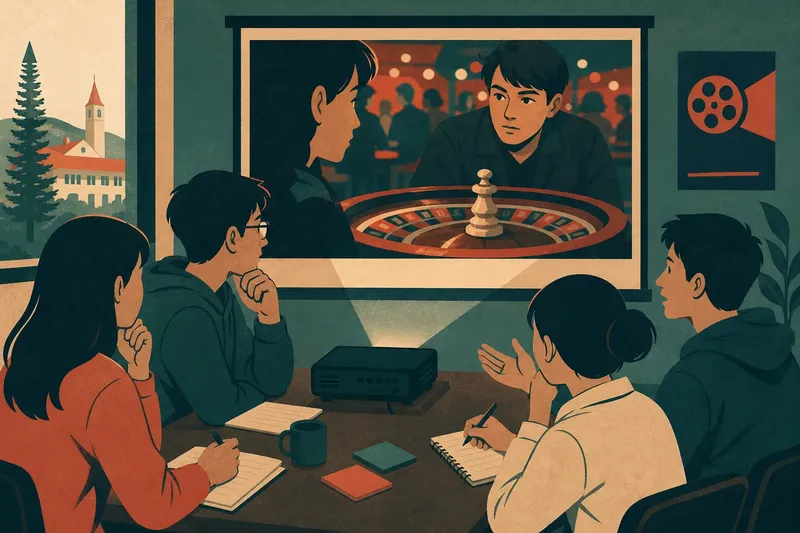
The most common mistake in a casino film discussion is trying to cover the whole plot before anyone has named a detail they actually saw. The conversation can turn into a recap, and the scene’s camera work, sound and performances get lost. Starting with one moment gives the group something specific to look at together.
For a campus film club at Trường Đại học Đà Lạt, a single scene can open a focused conversation about casino culture without making a film stand in for real life. The useful question is not simply what happened, but how the scene steers attention and feeling. A close-up can work like a torch in a dark room: it lights one detail while leaving others out of view.
Pick one scene
Choose a sequence available through a legitimate campus or library service, with a clear setting and a change in action or mood. A character entering a casino floor or reacting to a table-side exchange may offer enough to discuss without requiring the group to know every plot turn.
Keep the selection short enough to replay comfortably. If it contains upsetting material, mention that in advance and offer another choice or a quiet way to opt out. Send members the film title and a simple invitation to watch once without pausing, then remember one detail that caught their attention.
Notice the choices
Instead of preparing a long worksheet, the facilitator can bring a few possible points of attention and follow what the group notices. Ask people to describe the evidence in the scene before deciding what it means.
- Check who the camera follows; if one person dominates the frame, ask whether the scene feels intimate or tense, and if the focus is unclear, discuss who or what the camera leaves out.
- Check where the sound changes; if music or room noise grows louder, ask how that shift affects the mood, and if sound stays steady, consider whether that steadiness makes the action feel ordinary or controlled.
- Check which parts of the setting appear in the frame; if the room looks crowded, discuss how background activity shapes the moment, and if the space seems sparse, consider whether the framing keeps attention on a conversation.
- Check how performers use pauses and facial reactions; if dialogue is brief, discuss what those choices communicate, and if the exchange is explicit, consider what the performance adds beyond the words.
- Check where the scene ends; if a question or reaction remains unresolved, ask what the edit leaves viewers expecting, and if the moment feels complete, discuss how the ending settles its mood.
- Check what action a character takes; if the scene encourages sympathy or unease, identify the visual or performance choices that prompt that response, and if reactions differ, keep both readings in play rather than choosing a winner.
Shape the conversation
Begin by explaining that the club is discussing filmmaking and audience response, not judging anyone’s personal experience. Screen the scene without interruption, then give everyone a quiet moment to jot down one remembered detail and the feeling it produced.
Replay only if a member wants to revisit a particular shot, sound or cut. Invite people to point to that detail before offering an interpretation; this keeps the conversation grounded and gives others something concrete to consider. A member who has not spoken can be invited in, but passing should remain an easy option.
Say the club chooses an invented scene in which a student character waits beside a roulette table while a friend urges them to join. The facilitator plays it once, and the group notes that the camera stays on the friend while the wheel’s sound continues off screen. On a replay, members attend to the friend’s expression and the sound; they decide that the scene feels pressuring to some viewers and distracting to others, without treating either response as definitive. The practical trade-off is clear: the scene supports close discussion of persuasion and attention, but offers little visual evidence about the wider casino floor.
Read the craft
A close-up, a held pause or a sudden cut can change the pace and guide the audience towards one part of an exchange. Ask what the choice does for the viewing experience, rather than claiming it reveals a character’s private motives with certainty.
It can be just as useful to ask what the film leaves out. Perhaps the camera stays with two people instead of showing the room, or the edit moves on before a reaction becomes clear. Viewers may disagree about why those choices were made; they can still describe how the choices shape the scene.
Keep claims about casino visitors and gambling separate from a fictional scene. A film is not personal guidance. If someone raises a concern about their own wellbeing, respond with care and suggest speaking with a qualified professional.
Questions worth asking?
How much plot context is enough?
Explain only who is present and what is happening in the moment. If something remains puzzling, let that uncertainty prompt discussion instead of filling in every gap.
What if viewers disagree?
Ask each person to name the shot, sound, edit or performance that shaped their response. Different readings can deepen the conversation without a vote on one correct interpretation.
Should the club replay the scene?
Replay when members want to compare a specific detail with the scene around it. If the conversation is already moving, keep talking rather than repeating the sequence by habit.
How can quieter members take part?
Give everyone a moment to write before inviting comments. Members can read a note, pass, or contribute later without discussing personal experience.
Leave a useful trace
Before the meeting ends, invite members to write one sentence naming a filmmaking choice and another describing its effect. Keep those notes with the film title and the question that led to the liveliest exchange; the next casino film discussion can begin with a fresh detail rather than another plot recap.
A small record also helps the club remember what it could not settle. If members disagreed about whether a cut created suspense or confusion, that unresolved point can guide the next viewing, while keeping the focus on what the film puts on screen.